bilateral salpingo-oopherectomy

Should I Have a Hysterectomy for Endometriosis?

6.2K views

Every woman dealing with endometriosis has faced this question at some point in her journey. It may be a question she has asked herself, as she navigates treatment options, perhaps having tried many treatments that have not worked. Perhaps her doctor has stated it as the only possible next step. Or, friends and family members have suggested it, thinking that it is a cure for endometriosis. Sometimes, endometriosis patients feel pressured by those around them to consent to this surgery. And sometimes endometriosis patients are so desperate to find a solution to the never-ending pain that they just want “everything out” and to not have to deal with it anymore.

Does Hysterectomy Cure Endometriosis?

If you are considering a hysterectomy to manage endometriosis pain and symptoms, the first question that needs to be asked is how effective is a hysterectomy in curing endometriosis? There have been some studies published that address this question. The rate of symptom recurrence varies quite a bit depending on the study—from 19 to 62 percent, when at least some ovarian tissue was conserved. One major reason for persistent pain after hysterectomy for endometriosis is incomplete removal of endometriosis lesions at the time of hysterectomy, and thus, the reason for the variability between the studies likely reflects, at least in part, the differences in surgical skill at completely excising all endometriosis lesions.

What about Removing the Ovaries?

When both ovaries and both Fallopian tubes are also removed at the time of hysterectomy (bilateral salpingo-oophorectomy, or BSO), the risk of symptom recurrence is lower, but still present, at 8 to 10 percent. Again, complete removal of endometriosis lesions at the time of hysterectomy improves post-operative outcomes.

Many endometriosis patients who have had hysterectomies and bilateral oophorectomies for endometriosis are reluctant to take hormone replacement therapy (HRT) for fear of stimulating any endometriosis tissue that may have been left behind. This question has not been addressed comprehensively with published studies. The risks of HRT related endometriosis growth depend somewhat on whether any endometriosis tissue was left behind at the time of hysterectomy. The risks of HRT in general, however, cannot be dismissed. Studies have shown a higher incidence of certain cancers, gallbladder disease and cardiovascular events. Despite these risks, medical consensus suggests the benefits of HRT outweigh the risks. The disparity between the research and consensus means each woman should weigh the risks and benefits carefully.

Complications Associated with Hysterectomy and Oophorectomy

What are the risks and potential long term complications of hysterectomy, or hysterectomy plus bilateral oophorectomy? A large study of almost 30,000 nurses undergoing hysterectomy for benign (non-cancerous) diseases showed that hysterectomy plus BSO is associated with an increased risk of death from all causes, increased risk of fatal and non-fatal heart disease, and increased risk of lung cancer. Hysterectomy can cause pelvic floor dysfunction, and can negatively impact bladder function: the risks of urinary incontinence and vaginal prolapse increase significantly post-hysterectomy, although these complications usually do not develop until 10 to 20 years later.

Hysterectomy plus BSO causes surgical menopause, which causes an abrupt cessation of hormones, compared to the gradual process of natural menopause. This can result in more severe menopausal symptoms, such as hot flashes, vaginal dryness and irritation, and decreased sex drive or other problems with sexual function. In addition, the beneficial effects of the small amounts of hormones that continue to be produced post-menopause from the ovaries are gone in women who have undergone BSO. Removal of the ovaries can be devastating for some women, as observed by the personal stories shared on Hormones Matter.

Hysterectomy with or without BSO is associated with increased risk of heart disease and osteoporosis. The risk of both of these diseases increases after natural menopause, and therefore the reason the risk may increase in even in women who keep one or both ovaries at the time of hysterectomy may be partially because hysterectomy itself is associated with earlier menopause– on average by 3.7 years, when both ovaries are conserved, and by 4.4 years with unilateral oophorectomy. BSO and unilateral oophorectomy are also associated with an increased risk of Parkinson’s disease, cognitive impairment/dementia, and depression and anxiety. New research suggest the loss of hormones post oophorectomy, estradiol in particular, is detrimental to mitochondrial functioning. Mitochondrial injury is believed to be the mechanism by which post menopausal, surgically menopausal and chemically menopausal (Lupron and Lupron-like drugs) women develop a high rate of cardiovascular and neurological disease.

Things to Consider before Hysterectomy

Before a hysterectomy is considered as a treatment for recurrent pain or other endometriosis symptoms, other potential causes of pelvic pain should be considered. Pain can be from recurrent, or more likely, persistent, endometriosis, but there are many other conditions and diseases that can cause pelvic pain, such as adhesions, pelvic floor dysfunction, adenomyosis, interstitial cystitis, and nerve pain. Of these, adenomyosis is the only condition that will improve with a hysterectomy, and for some of the other conditions, a hysterectomy may cause worsening of the problems. It is a good idea to discuss all the potential causes of pelvic pain with a doctor or a team of doctors familiar with all these conditions to try to ascertain whether hysterectomy is the best potential treatment for your medical condition.

Many patients have a combination of causes contributing to their pelvic pain and other symptoms, so it can be very complicated to weigh the potential benefits against the risks. In addition, it is my opinion that given the risks and long-term complications of hysterectomy, the first line surgical treatment for endometriosis should be laparoscopic excision of all endometriosis lesions, with conservation of all reproductive organs if possible.

As someone who interacts with many endometriosis patients in my work with The Endometriosis Network Canada, patients on both sides of the hysterectomy question have told me that they feel judged for the decisions they are making or have made. I don’t believe that anyone should be judged for making the best decision they can make, taking into account their own personal situation and, preferences. However, I do want everyone making this decision to be fully armed with accurate information, so that they can make the best decision possible in what is usually a very complicated situation.

Review of Permanent Birth Control Options

7.6K views

Ladies, here is a typical scenario of a happily-married couple with two children, who now desire permanent sterilization. They do not want children any more; she does not want a pregnancy now, nor in one year (i.e., the FDA’s definition of “permanent”). She and her husband want no more kids.

What are their options? Bilateral Tubal Ligation (BTL)? What is Tubal Ligation Syndrome? Does she take out her ovaries? Why can’t the man just get a vasectomy? Fifteen percent of men do. One study shows that a man undergoing vasectomy at a young age may lead to a more aggressive form of prostate cancer later in life. Not an option, young men.

For women, starting from the least “invasive,” to the most “invasive” (and not meant as a comprehensive list or as medical advice or treatment; most doctors would say that you need to talk this over with at least 2 doctors), here is a general outline of permanent birth control choices.

Things to remember as you review the possibilities of permanent birth control:

  1. Speak up and ask questions! These are not easy decisions and the choice you make will impact the remainder of your life. Do not let anyone make this decision for you.
  2. Understand all of the risks associated with the procedure you choose. Compare those to the risks associated with alternative options, including the option of not having the procedure done.
  3. Always seek a second opinion; and sometimes third and fourth opinions.
  4. Use social media to talk to other women who have gone through the procedure.

Bilateral Tubal Ligation (BTL) for Permanent Birth Control

Bilateral tubal ligation or BTL is the most common method of family planning for permanent birth control with up to 33% of married women worldwide opting for this method.

A BTL is best performed during or up to a few couple days after childbirth, when the uterus is still swollen, and the Fallopian tubes are just under the skin. There are many different types, all requiring spinal anesthesia for optimal pain control and patient satisfaction.

Bilateral tubal ligation involves surgery to block the fallopian tubes and prevent the ovum (egg) from being fertilized. BTL can be done by cutting, burning or removing sections of the fallopian tubes or by placing clips on each tube. It is 99% effective after the first year.

Risks Associated with Bilateral Tubal Ligation

Over time, the tubes can reconnect. This happens with 15 – 20% of BTLs performed. When the fallopian tubes reconnect, it is possible for the woman to become pregnant. This can lead to a tubal or ectopic pregnancy.

A tubal/ectopic pregnancy is a life-threatening condition that warrants immediate attention.

With an ectopic pregnancy, the fertilized egg remains in the fallopian tubes rather than implanting in the uterus. It cannot survive in the fallopian tube and without immediate surgery; the mom is at risk for bleeding to death. Emergency surgical removal of ectopic pregnancy is warranted.

Take heart, as you are NOT killing your baby. As an anesthesiologist against abortion, I have had many religious discussions with many concerned women. I assure them that I have never given anesthesia for an elective abortion because I think it goes against the Hippocratic Oath. I have only given anesthesia to SAVE THE LIFE of a mother with a tubal pregnancy. We usually pray before going into the operating room and the anesthesiologist gives sedatives. The patient should have no memory of even being in the operating room.

In addition to the risk of ectopic pregnancy, there are additional side effects and contraindications to consider with this form of permanent birth control. One of the most common ‘side effects’ is a set of symptoms called post-tubal ligation syndrome. The symptoms associated with post-tubal ligation syndrome include: increased menstrual bleeding, decreased libido, fluctuating mental health, and more pronounced PMS, abdominal pain, some leading to hysterectomy, and more. The validity of the symptoms associated this syndrome have been fodder for scientific debate for decades and decades. The research is mixed.

In 2005, Shobeiri et al (2) showed in 112 post-Pomeroy BTL patients vs. ‘normal’ patients that menstrual abnormalities did not differ. However, women in two age categories experienced statistically more uterine bleeding: ages 30 – 39; and ages 40 – 45. In 2011, Moradan et al studied 160 women, finding no changes due to BTL (3).

Although there may be an increased rate of hysterectomy due to increased menstrual bleeding after a BTL, nowhere in the medical literature can a biologic correlation be found as the culprit, except with the decrease in hormones produced after an oophorectomy. However, talk to individual women, glance through Facebook and other social media sites, who have had tubal ligation and developed post-tubal ligation syndrome, and see that these women are hurting and suffering. Their stories should be considered as one contemplates this form of permanent birth control.

For my part, perhaps what we need now is a study that includes an n > 10,000, since the rate of hysterectomies is so high in the United States.

Reversing Bilateral Tubal Ligation

Reversal of BTL requires microsurgery, and a fertility specialist may be consulted. Remember to get 2nd Opinions on any surgery, and take someone with you. It makes the most sense to go to a surgeon who does this frequently, rather than go to a surgeon who does this infrequently.

Surgical Methods for Tubal Ligation

  1. Bipolar Coagulation: cauterizes portions of the fallopian tubes
  2. Monopolar Coagulation: same as (A) + radiating current for more damage + cutting the tubes at the end
  3. Fimbriectomy: takes a part of the fallopian tube that is closest to the ovaries, preventing the tube from accepting an egg, and therefore from fertilization
  4. Irving Procedure: two ties are placed at a length on one fallopian tube; then the tube is cut between the ties, and sewn to the back of the uterus
  5. Tubal Clip: metal tubal clips made by Fishie(R), or Hulka (R): smashes the Fallopian tube shut, so the egg does not pass from the ovary to the uterus
  6. Tubal Ring: with a silastic Band or Tubal Ring, the Fallopian tube is doubled up and then surgically placed to clamp it shut
  7. Pomeroy Tubal Ligation: often referred to as having the Fallopian tube “cut, tied, and burned”
  8. ESSURE(R) Tubal Ligation*: Nickel-plated and fiber coils are screwed into each Fallopian tube through the vagina, under spinal anesthesia or pelvic block. An immune response is desired, causing inflammation and scar tissue, blocking the tube from receiving sperm. The FDA states that “permanent,” specifically with Essure(R), is “one year or more.” Controversy surrounds this metal device implant, which has been known to lead to side effects in individual patients (including but not limited to): breakage of coils into pieces; tubal pregnancies; perforation (i.e., poking a hole through) of the coils through the fallopian tubes; perforation of the uterus or colon; infants born with the coil going through the upper ear; colonic-vaginal fissure (a space or track leading from the colon to the uterus, whereby E.Coli stool can be passed through the vagina); hives; abdominal pain; back pain; hysterectomy, and more. For more information about Essure, see my article on Hormones Matter.
  9. Adiana Tubal Ligation: It is very interesting to note that Adiana Tubal Ligation is no longer used, due to a 2012 lawsuit and judgement announced by Conceptus(R) (the developer of Essure(R) procedure), against Hologic, Inc. (4).

Hysterectomy (LAP- HYS) for Permanent Birth Control

In the USA, women over age 45 have a 40% chance of having a hysterectomy. At 70 years of age, 70% have had a hysterectomy. One study showed 50% of hysterectomies were unnecessary upon 2nd Opinion; the other found that 90% were unnecessary.

Usually, the procedure is done as a laparoscopic procedure, where little slits in the abdomen are used to push in CO2 gas, blow up the belly, and insert instruments to cut and chop the uterus out. The risks of general anesthesia include vomiting, aspiration pneumonia, death, tooth chips or tooth breaks, heart attacks, and a multitude of complications. Your specific risk factors should also be explained to you in common language. Plan to have “referred” shoulder pain to your scapula; and to wear jogging pants for weeks before your belly shrinks down to size.

Hysterectomy with Morcellation

In addition to the risks of hysterectomy and anesthesia, the morcellator adds additional risks. The morcellator is almost like a vacuum machine that follows the ‘carpet’ of the uterus in a line, while water is slurped over it. It essentially turns the uterus into one long piece to remove it. The problem with morcellation is that it spreads potentially diseased tissue throughout the abdominal cavity.

It is impossible to know if the fibroids or other uterine growths common among women undergoing hysterectomy are cancerous or otherwise diseased prior to surgery. When the morcellator is used, the risk of spreading cancer increases. What once was Stage I (baby) cancer is now Stage IV (monster) cancer all because the surgeon whizzed that morcellator throughout the abdominal cavity.  For more information about problems with morcellation, read (5) and (6). The odds of having an undetected cancer may be 1:350. A newly published cohort study of 41,777 women shows there may be a link wherein younger women are less apt to have an underlying cancer before a myomectomy to remove fibroids with the morcellator, and keep the uterus intact (7). Elderly women may be at highest risk for a precancerous or a uterine cancer to be found.

Hysterectomy: What to do about the Ovaries

When considering a hysterectomy either for permanent birth control or for health issues, it is important to understand the role of the ovaries in women’s health. Some physicians will push for the prophylactic removal the ovaries under the auspices of protecting women against ovarian cancer (risk = 1.7%). The argument often includes a ‘we’ll be in there anyway; we might as well remove them’. This is not an acceptable rational for oophorectomy/ovary removal.

“Ovarian conservation” refers to the view that the ovaries belong in the pelvis, and are not to be taken out during a hysterectomy, if possible. There are risk factors for ovarian cancer in my book, so you assess your own risk at home. When considering hysterectomy with or without ovary removal, remember that this is an individual decision for each woman.

When we conserve the ovaries, hormone synthesis and secretion to continue. Ovaries can secrete hormones like estradiol, progesterone, and testosterone for up to 15 years after a hysterectomy, so ladies, they are NOT just decorations. The ovaries are an endocrine system in their own right. They protect against bone injury, fractured hips, memory loss, heart disease (America’s #1 killer), and more.

However, even with ovarian conservation, hormone issues arise. When the ovaries lose communication with the uterus as it disappears, the biofeedback loops between the uterus and the ovaries are lost. Ladies, we are living shorter lifespans for the first time in history. Men, on the other hand, are gaining lifespans. So put down that fried chicken and eat a salad. And keep your ovaries, if you can. 2nd opinion, again.

Hysterectomy with Oophorectomy (Ovariectomy; LAP-HYS with Oophorectomy)


OK, so your surgeon says you have to have “it all” taken out: uterus, both Fallopian Tubes, and both ovaries. You are at high risk for ovarian cancer, confirmed by a 2nd Opinion. After the surgery, you will be in full-on, surgical menopause, overnight.

With oophorectomy, you will be in surgical, menopausal “shock.” You don’t get 10 – 15 years for the ovaries to gradually lose their ability to secrete hormones. Nope. Just jump in a cold pool. “Surgical shock” involves hair loss, hot flashes, pain during intercourse, memory loss, depression and guilt, irritability, inability to sleep with sometimes severe insomnia, lashing out at your loved ones, decreased libido, among other symptoms. So check out the situation yourself; this is a monumental decision, not a small one. Find your Risk Factors for ovarian cancer in my book, and check off where you are. In my opinion, you should not get an oophorectomy unless you are at risk of ovarian cancer.

For me? No thanks. I’m keeping my ovaries. What if we removed testicles in men prophylactically? Do you think they would SPEAK UP? So ladies, just SPEAK UP!

Permanent Birth Control for Men: Vasectomy

One permanent birth option lays the burden upon men. Vasectomy is the surgical procedure that ties and seals the male vas deferentia, preventing sperm from reaching ejaculate, effectively preventing insemination. It is a popular method, with 15% of American men undergoing vasectomy.  Its effectiveness is near 100% after a brief period of time. However, it is not without side effects. The most concerning is a correlation between vasectomy and prostate cancer. Prostate cancer is the second most common cause of death in American men, making this a Public Health issue.

Researchers here studied over 49,000 men for 24 years or less. 6,023 cases were diagnosed as prostate cancer, with 811 lethal cases. One fourth of all men had a vasectomy. Overall, the risk for men with a vasectomy having prostate cancer later on was 10%. And it wasn’t low-risk prostate cancer that was the association; it was an advanced risk of (20%) and lethal (19%), respectfully. Of men who had a regular PSA checked, a 56% chance of lethal prostate cancer was found, especially if the vasectomy was performed at a younger age (8).

To summarize this study, out of 49, 405 men studied over 24 years, 16 in 1,000 men were found to have lethal prostate cancer. Although statistically significant, it only translated to a “relatively small increase in absolute difference” for risk of prostate cancer.

There are also concerns about an increased risk of dementia in later life for men who have had a vasectomy. Though this and other risks have been disputed. So, the decision is a personal one to be discussed with the patient and a 2nd Opinion physician, weighing the risks and benefits.

The Final Decision Rests with You and Yours

Whatever you decide, do the research first and make a decision that you are comfortable with. If have already undergone permanent sterilization and suffer side effects affecting quality of life, you are not alone. Speak up and speak out so that other women can make their decisions with all of the evidence in front of them.

We cannot change the past, but we shall change the future. Our mothers wanted things to be better for us than they were for themselves…and what do we want? We want things to be better for our daughters and their daughters, too. I have a daughter. I wrote a book covering all these issues (and more) for her, because everyone thought I was going to die.

At a recent doctor’s appointment, the receptionist smiled at me not because she remembered me, but because I was still alive. My work, my book (9) is my legacy to my daughter, and therefore to you.

Still bedridden after 9 years, I am fighting to change the course of women’s healthcare. How much more can YOU do? Aim high. Persevere. And make me proud.

References

  1. Wikipedia: Tubal Ligation. http://en.wikipedia.org/wiki/Tubal_ligation. Last reviewed March 7, 2015.
  2.  Mehri Jafari shobeiri and Simin AtashKholii. The risk of menstrual abnormalities after tubal sterilization: a case control study BMC Womens Health 2005 Online May 2. doi: 10.1186/1472-6874-5-5
  3. http://www.ncbi.nlm.nih.gov/pmc/articles/PMC1112604/ Last reviewed March 7, 2015.
  4.  Sanam Moradanand Raheb Gorbani.. Is Previous Tubal Ligation a Risk Factor for Hysterectomy because of Abnormal Uterine Bleeding? Oman Med J.  2012 Jul; 27(4): 326-328. http://www.ncbi.nlm.nih.gov/pmc/articles/PMC3464743/ Last reviewed March 7, 2015.
  5.  Nasdaq GlobeNewswire. Conceptus ® Announces Settlement of Patent Infringement Lawsuit with Hologic. Source: Conceptus, Inc.  http://globenewswire.com/news-release/2012/04/30/474765/253823/en/Conceptus-R-Announces-Settlement-of-Patent-Infringement-Lawsuit-With-Hologic.html   April 20, 2012. Last reviewed March 7, 2015.
  6.  Matthew Bin Han Ong. Harvard Physician, Whose Cancer was Spread through Morcellation, Seeks to Revamp FDA Regulation of Medical Devices. The Cancer Letter. July 3, 2014. http://www.cancerletter.com/articles/20140704_1 Last reviewed March 17, 2015.
  7.  Amy Orciari Herman. Cancer Risks from Uterine Morcellation Examined. NEJM  Journal Watch. February 7, 2014. http://www.jwatch.org/fw108455/2014/02/07/cancer-risks-uterine-morcellation-examined Last reviewed March 17, 2015.
  8.  Wright JD, et al. Use of Electric Power Morcellation and the Prevalence of Underlying Cancer in Women who Undergo Myomectomy. JAMA Oncology February 19, 2015. http://oncology.jamanetwork.com/article.aspx?articleid=2118570 Last reviewed March 17, 2015.
  9.  Mohammad Minhaj Siddiqui, Kathryn M. Wilson, Mara M. Epstein, Jennifer R. Rider, Neil E. Martin, Meir J. Stampfer, Edward L. Giovannucci and Lorelei A. Mucci Vasectomy and Risk of Aggressive Prostate Cancer: A 24-Year Follow-Up Study. Journal of Clinical Oncology; Published online before print July 7, 2014, http://medicalxpress.com/news/2014-07-vasectomy-aggressive-prostate-cancer.html  doi: 10.1200/JCO.2013.54.8446. Last reviewed March 7, 2015.
  10. Margaret Aranda, M.D. Archives of the Vagina: A Journey through Time. Tate Publishing, 2014. https://www.tatepublishing.com/bookstore/book.php?w=978-1-62854-116-8  Last reviewed March 18, 2015.

Hysterectomy: Impact on Pelvic Floor and Organ Function

77.8K views

My life and health were turned upside down after my unwarranted hysterectomy. I touched on the internal and external anatomy changes in a previous article. I am going to go into more detail here on the effects of hysterectomy on the internal anatomy.

Female Anatomy

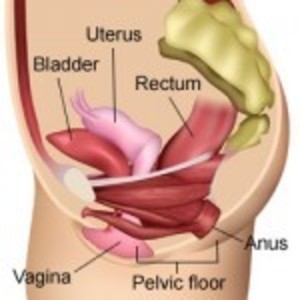
The uterus sits in the center of the pelvis held in place by four sets of ligaments. The uterus separates the bladder and the bowel and holds those organs in their rightful positions. Once the ligaments are severed and the uterus removed, the bladder and bowel drop down and, without the uterus to separate them, are now adjacent to each other. The nerves and blood vessels that are severed during hysterectomy may also alter the functions of pelvic organs. This female anatomy video explains the anatomical (and other) effects of hysterectomy.

What Every Woman Wants to Know about Hysterectomy

Pelvic Floor Disorders after Hysterectomy

What do medical studies say about the effects of these anatomical changes on the pelvic floor and organ function?

This 2014 U.S. study concluded that hysterectomy is one risk factor for developing pelvic floor disorders. The others are higher Body Mass Index (BMI) and greater parity. There are a number of studies that came to this same conclusion.

This large 31 year Swedish study concluded that hysterectomy, particularly vaginal hysterectomy, even in women with no vaginal births is associated with pelvic organ prolapse surgery. The number of vaginal births further increases this risk.

According to this large Swedish study, vaginal hysterectomy had a higher risk of surgery for pelvic organ prolapse or stress urinary incontinence than other modes of hysterectomy.

Of course, women who undergo pelvic organ prolapse surgery represent only a subset of those who suffer symptoms of bladder and/or bowel dysfunction.

Bladder Function after Hysterectomy

A number of studies have shown no short-term urinary adverse effects of hysterectomy. However, longer-term follow-up shows an increased risk. This large Swedish study over a 31 year period (1973 to 2003) showed a 2.4-fold risk of urinary stress incontinence surgery in women who had hysterectomies for benign conditions. This Danish study of women aged 40 to 60 years also showed a 2.4-fold risk of stress incontinence in women who had a hysterectomy. A small China study showed a 7.6% rate of pelvic organ prolapse and 67.4% rate of urinary incontinence 6 years post total hysterectomy.

A systematic review of 12 MEDLINE articles that used original data published over a 32 year period (January 1966 to December 1997) “was consistent with increased odds for incontinence in women with hysterectomy….Among women who were 60 years or older, summary odds ratio for urinary incontinence was increased by 60% but odds were not increased for women younger than 60 years.” Another review of this same data consistently found an increased risk of incontinence many years after hysterectomy.  However, this study also concluded that “Oral estrogen replacement therapy seems to have little short-term clinical benefit in regard to incontinence and is associated consistently with increased risk of incontinence in women aged 60 years and older in epidemiologic studies.”

The latter statement begs the question “Is the association of oral estrogen and incontinence solely from the oral estrogen or could it be that it’s caused by hysterectomy that prompted the use of estrogen?”

Hysterectomized women of ALL ages were at increased odds for urge (1.9) and bothersome urge (2.6) urinary incontinence (but not stress incontinence) according to this Netherlands study of 1,626 women. This French study of 1,700 women also concluded that hysterectomy increases risk of urge, as well as stress, incontinence regardless of age.

In contrast, this analysis of studies done on urodynamics before and after hysterectomy concluded that “Hysterectomy for benign gynecological conditions does not adversely impact urodynamic outcomes nor does it increase the risk of adverse urinary symptoms and may even improve some urinary function.”

This small study compared incontinence / continence at 1 to 3 years post-hysterectomy and again at 4 to 6 years post-op.  Interestingly, some women went from being continent to incontinent while others went from being incontinent to continent.

Why the conflicting results? There are a few things that come into play, the more obvious ones being study design and size as well as the follow-up period. Mostly, the results depend on the reason for the hysterectomy and whether a bladder suspension was done at the same time. Two common reasons for hysterectomy are fibroids and uterine prolapse. Both conditions can cause urinary symptoms such as frequent urination and incontinence. So symptoms may improve after hysterectomy and if the bladder was suspended at the time of hysterectomy (in the case of prolapse), that would also explain improvement.

Bowel Function after Hysterectomy

Some studies show that hysterectomy negatively affects bowel function. While this small and short-term 2004 study (comparing pre-operative to 6 and 12 months post-operative) concluded that vaginal hysterectomy does not increase incontinence or constipation, abdominal hysterectomy may increase risk “for developing mild to moderate anal incontinence postoperatively and this risk is increased by simultaneous bilateral salpingo-oopherectomy.” In contrast, this small 2007 study found that vaginal hysterectomy significantly increased anal incontinence at the three-year point and at one and three years for abdominal hysterectomy. However, there was “no significant rise in constipation symptoms or rectal emptying difficulties in either cohort through the follow-up.”

This contradicts this small case control study that showed significant short-term decreased bowel frequency and increased urinary frequency after hysterectomy. It also contradicts this larger Netherlands retrospective study in which 31% of women reported severe bowel function deterioration and 11% reported moderate bowel changes after hysterectomy. In the control group which consisted of women who underwent laparoscopic cholecystectomy, 9% reported “disturbed bowel function.”

Constipation, straining, lumpier stools, bloating, and feelings of incomplete evacuation were reported by women who had undergone hysterectomy in this small study.

Abdominal hysterectomy is associated with a significant risk of fecal incontinence and rectoanal intussusception according to this small retrospective study.

Post Hysterectomy Fistula

Hysterectomy increases risk of fistula as documented in the below excerpt from this article:

The uterus precludes fistula formation from the sigmoid colon to the urinary bladder.

As well as this excerpt from this article:

The most common types of fistula are colovesical and colovaginal, against which the uterus can act as an important protective factor.

Diverticulitis is a known risk factor for fistula formation. This large study looked at the risk of fistula formation in hysterectomized women with and without diverticulitis using data from women hysterectomized between 1973 and 2003. Women who had a hysterectomy but no diverticulitis had a 4-fold risk of fistula surgery compared to women who did not have a hysterectomy or diverticulitis. Women who had a hysterectomy and diverticulitis had a 25-fold risk of fistula surgery whereas non-hysterectomized women with diverticulitis had a 7-fold risk.

Vaginal Vault Prolapse

The International Continence Society defines vaginal vault prolapse as “descent of the vaginal cuff below a point that is 2 cm less than the total vaginal length above the plane of the hymen.” This Obstetrics and Gynecology International article states that “it is a common complication of vaginal hysterectomy with negative impact on women’s quality of life due to associated urinary, anorectal and sexual dysfunction.”  The article cited above explains the mechanism for this common complication in section 2 titled “Anatomic Background.”

Table 3 in section 12 compares vaginal and abdominal corrective surgery outcomes using a 5 year follow-up.  Vaginal had significantly higher post-operative incontinence and recurrence rates. The re-operation rate due to recurrence was 33% in the vaginal group versus 16% in the abdominal group.

Surgical mesh is used for many pelvic organ prolapse surgeries. And as shown by the TV ads, surgical mesh has high complication rates. It can cause infection and the mesh can protrude into the vagina leaving sharp edges having obvious negative effects on male partners. And removal of all traces of mesh may be impossible because tissue grows around the mesh.

Women who have not had a hysterectomy and have pelvic organ prolapse may choose to use a pessary instead of undergoing surgery to suspend the uterus (and bladder) or undergo hysterectomy. But a pessary may be difficult to hold in place in women who have had a hysterectomy since the walls of the vagina are no longer supported by the uterus and cervix.

Hysterectomy Consequences

Hysterectomy can have serious consequences on bladder and bowel function and increase risk for future surgeries, but the research is mixed, primarily due to differences in methodology.  Pelvic organ prolapse is also a possibility. Important variables that increase or decrease the risk for future problems include the reason for the hysterectomy and pre-operative bladder and bowel function. If endometriosis, fibroid or other conditions compromise or affect bladder and bowel function pre-surgery, then odds are they will be affected post-surgery and whether there is improvement or further damage depends upon a number of factors, including the surgeon’s skill. In contrast, and I think where most women are interested, is whether these problems can arise post-hysterectomy when no such problems existed pre-surgery. The answer is yes, there is an increased risk for both urinary and bowel incontinence post hysterectomy.

Additional Resources

This RadioGraphics article details the pelvic organ sequelae that can be caused by obstetric and gynecologic surgeries and the imaging techniques for diagnosing them.

This Medscape article details the Long-term Effects of Hysterectomy.