birth control

Women’s Hormones: An Intellectual and Ethical Cul de Sac

13K views

Menopause is barreling down with a ferocity that is difficult to ignore. Like many women my age, I’ve had my share of health challenges and until recently, blindly trusted the pharmaceutical industry to fix all that ailed me. Health by chemistry was a great thing; oral contraceptives, a fabulous invention, allergy meds – ditto, pain killers – wonderful, and on, and on. Take a pill and feel better, isn’t that what we all want? But I, like so many women, have lost faith in pharmaceuticals. It’s not because the science isn’t cool, it is, in every area of pharmacology — except women’s hormone therapies. Here, intellectual curiosity and innovation have been replaced by status quo. Little has changed in this area of hormones and health in 60 years.

Hormones, Hormones, Everywhere and No Innovation in Sight

Since their inception, hormone replacement therapies (HRT) and oral contraceptives have dominated women’s health, immediately moving from seemingly narrow applications when first introduced to the almost mythical status as cure-alls for any female and many general health ailments. The history of both these pills is strikingly inglorious and utterly dumbfounding. Just on general principle, why would anyone believe any medication could be so widely beneficial for so many apparently disparate conditions? It is physiologically impossible.

For HRT especially, if one believes the marketing, the pills provide a veritable fountain of youth. Where is the science? But believe we did, and generations of women may now be paying the consequences.

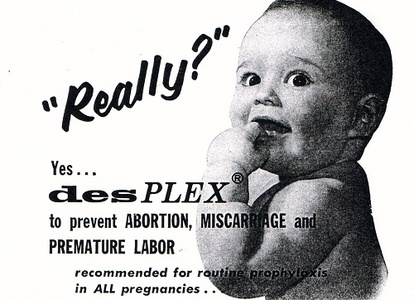
From the very first estrogens synthesized and marketed to women everywhere (diethylstilbestrol- DES), through today’s HRTs and OCs, profit appears to override health concerns. Even in the 1930’s and 1940s before these drugs came to market, the carcinogenic risks were well known, and yet, they garnered FDA approval and were sold to millions, upon millions of women.

Synthetic Hormones

I have personal experience only with the often ignored side effects of oral contraceptives, as I have yet to reach the age of menopause. In my 20s, while on the presumable high estrogen dose of oral contraceptives that were common then, I had intense bouts of vertigo and ever increasing blood pressure that would develop even when lying down. After years of expensive testing that could find no neurological cause for the vertigo and after repeated prescriptions to lower my blood pressure, I stopped taking the pill. I had enough. The vertigo stopped fairly soon thereafter and the blood pressure returned to normal. Over those several years, there was not a single physician that suggested I stop taking the pill, indeed I was prescribed more and more meds to counter the apparently unknown side effects of oral contraceptives and it was recommended I see a shrink because the vertigo had to be psychosomatic.

I look back at that time and I wonder how many other women suffered similar circumstances. What is this propensity to prescribe and continue prescribing medications in the face of apparent ill effects? Why are we ignoring, even at the patient level, the possibility that some meds may not work for some women (or men). The statistics bear this out, but there seems to be a natural inclination to minimize these risks. This is compounded of course, by intense marketing.

As I approach this menopausal stage, I again will be faced with yet another hormone-issue for which the choices are bad and worse. We know from the Women’s Health Initiative (WHI) in 2002, that HRT is not the panacea it was marketed to be and the risks associated with this medication are not benign.

Over a one year period, for every 10,000 women taking and estrogen plus progestin, the risk of developing these conditions increases by:

• Heart disease: 7 additional cases
• Breast cancer: 8 additional cases
• Stroke: 8 additional cases
• Blood clots: 18 additional cases

For estrogen only:

• Stroke: 12 additional cases
• Blood Clots: 6 additional cases

Consider the millions of women who will take or have taken HRT for years. As of 2010, over eight million women in the US alone take HRT, and will likely do so for at least a couple years. In this light, the increased risk of disease looks a lot scarier.

• Heart disease: 5600 new cases per year; 28,000 in five years
• Breast cancer: 6,400 new cases per year; 32,000 in five years
• Stroke: 6,400 new cases per year; 32,000 in five years
• Blood clots: 14,400 new cases per year; 72,000 in five years

When the WHI was published, some 17 million women in the US had been taking HRT for many, many years, even decades. That’s 13,600 new cases of breast cancer per year, 68,000 in five years! Despite these data, and the thousands of lawsuits that followed, HRT is still one of the most frequently prescribed medications worldwide. I think we can do better.

Statistics from the Mayo Clinic.

We Need Your Help

More people than ever are reading Hormones Matter, a testament to the need for independent voices in health and medicine. We are not funded and accept limited advertising. Unlike many health sites, we don’t force you to purchase a subscription. We believe health information should be open to all. If you read Hormones Matter, like it, please help support it. Contribute now.

Yes, I would like to support Hormones Matter. 

Photo by fr0ggy5 on Unsplash

This article was published originally on September 21, 2011, just when I was beginning to understand the scope of the problems associated with these and other medications. Since its publication, we have published dozens of articles and case stories on the ill-effects of hormonal birth control and HRT. Over the last few years, HRT has gained enormous popularity once again, and once again, all possible side effects are dismissed. If you are considering either of these drugs, especially hormonal birth control, which is increasingly being prescribed to older women to ‘control’ hormones, please investigate further. If you would like to share your experience and publish a case story, please leave a comment below. 

Why Aren’t Women Tested for Factor V Leiden and Other Clotting Disorders?

30.1K views

When I had a stroke at age 28, my doctors did some tests and found that I have a fairly common clotting disorder called Factor V Leiden. They told me that this, combined with birth control pills, are what caused me to have the cerebral venous thrombosis (stroke). It didn’t occur to me then to ask what Factor V Leiden actually was. Or to ask why I hadn’t been testing for inherited clotting disorders before I was put on medication that increased my risk for blood clots. These things didn’t occur to me until much later, after I learned to walk again.

I spent most of the first two years after my stroke getting on with my life. It wasn’t until I was searching for a topic for my thesis that I revisited what happened to me. I had no idea that birth control pills could be so dangerous and I certainly didn’t know that I could have an inherited genetic condition which would make them exponentially more dangerous for me. “How many women have the same condition?” I wondered. “Why don’t we test them before they are put on hormones?” These are some of the questions I sought to answer with my research.

What is Factor V Leiden?

Factor V Leiden (FVL) is a 20,000-year-old mutation common in the general population and a major genetic risk factor for thrombosis. It’s the most common genetic clotting disorder, accounting for around half of all cases. It’s most commonly found in Caucasians (3-8%).

Patients with Factor V Leiden can be either:

  • Heterozygous: inherited one mutated gene from a parent

or

  • Homozygous: inherited two mutated genes, one from each parent

What Does It Do?

As my hematologist described, FVL doesn’t cause blood clots but once activated, it dangerously accelerates clotting. Researchers aren’t clear on why some people with FVL activate and others don’t but there is almost always a precipitating factor—surgery, trauma, immobility, use of hormones, etc.

According to a review in Blood, the journal for the American Society of Hematology, women with heterozygous FVL who also use oral contraceptives have an estimated 30 to 50-fold increased risk of blood clots, while women with homozygous FVL have a several hundred-fold increased risk.

It is the most common genetic cause of primary and recurrent venous thromboembolism in women.

We know that taking estrogen can increase the risk of blood clots, stroke, and heart attack in women. And estrogen, when taken by someone with FVL, can significantly increase the risk of blood clots. Whether women are taking synthetic estrogen in the form of oral contraceptives, or hormone replacement therapy or have increased concentrations of the endogenous estrogens due to pregnancy, they are at much greater risk of clotting.

FVL accounts for 20-50% of the venous thromboembolisms (VTE) that are pregnancy related. In the United States, VTE is the leading cause of maternal death. In addition to causing VTE in pregnant women, FVL has been linked to miscarriage and preeclampsia.

Perhaps the women most at risk for blood clots are those that have been placed on hormone replacement therapy (HRT). A recent review of data from several studies found that women taking hormone replacement therapy were at an increased risk of blood clot and stroke. Worse yet, women with FVL who are also on HRT were 14-16 times more likely to have a VTE.

Despite these risks, women are not systematically tested for FVL before they are prescribed oral contraceptives, before or during pregnancy, or before commencing HRT.

What Women Know about Birth Control and Blood Clots

Part of my thesis research included a survey to assess what women understand about the risks of birth control pills and clotting disorders. Over 300 women who had taken birth control pills participated. What I found was that most women do not understand the side effects of hormonal birth control, nor are they familiar with the symptoms of a blood clot.

As for clotting disorders, nearly 60% of the women surveyed had no knowledge of these conditions. When asked whether they knew about clotting disorders BEFORE they took birth control pills that number increases considerably.

Over 80% of women were taking a medication without the knowledge that they could have an undiagnosed genetic condition that would make that medication exponentially more dangerous.

This shouldn’t come as much of a surprise give that this information is not found in advertisements for birth control pills, on non- profit websites about birth control pills and their risks, or on literature provided with the prescriptions.

Why Aren’t Women Tested for Clotting Disorders?

The most common reason I found in my research for not testing women were cost-benefit analyses measured in cost per prevention of one death.

Setting aside the moral argument that you cannot put a price on a human life, because clearly the government and corporations do just that. (It’s $8 million in case you were wondering.) The cost of taking care of taking care of victims of blood clots is not insignificant.

Each year thousands of women using hormonal contraceptives will develop blood clots. The average cost of a patient with pulmonary embolism (PE) is nearly $9,000 (for a three-day stay not including follow-up medication and subsequent testing).

A hospital stay as a stroke patient is over twice that at nearly $22,000 (not including continuing out-patient rehabilitation, medications, testing, etc.). As a stroke survivor, I can tell you that the bills don’t stop after you leave the hospital. I was incredibly lucky that I only needed a month of out-patient therapy. Most patients need considerably more and will require life-long medication and testing. It’s important to note that due to the increasing cost of healthcare, the figures in these studies (PEs from 2003-2010; strokes from 2006-2008) would be exponentially higher now.

I’m not a statistician but I can do some basic math and while I wasn’t able to find data for the United States (surprise, surprise), the health ministry in France recently conducted a study that showed that the birth control pill causes 2,500 blood clots a year and 20 deaths.  The United States has 9.72 million women using the pill compared to France’s 4.27 million. This doesn’t include the patch, ring, injectable, or hormonal IUD, but for the sake of keeping things simple, let’s just use the pill. So we have over twice the pill-users as France, which means twice the blood clots (5,000) and twice the deaths (40). If we assume that half of the blood clots are PE and half are stroke, we come up with a whopping $77.5 million in hospital bills for these blood clots (not counting life-long treatment). Now adding the cost-of-life determined by the government (40 women times $8 million= $320 million) and we end up with nearly $400 million a year in damages caused by the pill. For the cost of only one year of damages, all 10 million women could have a one-time $40 blood test which would result in considerably fewer blood clots.

Furthermore, the research in my thesis shows that women would be willing to not only take these tests, but also to pay for them!

Of the 311 who answered the question, 82.3% (or 256) said they would be willing to take the test. Only 7.2% said no, with the other 10.6% “not sure.” More than 60% of respondents would be willing to pay for the test (up to $50).

In addition, the cost of a blood test is directly proportional to how frequently it is performed. An increase in testing will result in a decrease in the cost of testing.

Women Deserve Better

Putting aside the monetary costs for a moment, what about the emotional and physical toll for women who suffer these dangerous and debilitating blood clots? There is no excuse for women to suffer strokes, pulmonary embolisms, DVTs, multiple miscarriages, and still births because they have an undiagnosed clotting disorder.

That said, requiring a test before prescribing hormones to women would raise awareness of the dangers of these drugs and may reduce the overall number of women using them. Which leads one to wonder if the absence of testing for women is really just a public relations strategy.

Perhaps one of the most devastating cautionary tales of not testing for clotting disorders comes from Laura Femia Buccellato. Her daughter Theresa was 16 years old when she was killed from a blood clot caused by (undiagnosed) Factor V Leiden and birth control pills. Would Theresa be with us today if she had had a simple blood test? Would I have had a stroke? When we will demand better?

We Need Your Help

More people than ever are reading Hormones Matter, a testament to the need for independent voices in health and medicine. We are not funded and accept limited advertising. Unlike many health sites, we don’t force you to purchase a subscription. We believe health information should be open to all. If you read Hormones Matter, like it, please help support it. Contribute now.

Yes, I would like to support Hormones Matter.

Image by fernando zhiminaicela from Pixabay.

This article was first published in September 2016.

Hormones, Birth Control, and Insulin Resistance

11K views

Little known fact. Your reproductive hormones influence how your body responds to insulin. The artificial hormones in hormonal birth control also play a huge role in how your body responds to insulin. And, your body’s response to insulin determines how well you are able to use glucose to supply your daily energy needs.

In this article, we will discuss the basics of how your body creates energy. In this first section, we will unpack:

  • How your body creates energy from glucose
  • Glucose vs. fatty acids as an energy source
  • How insulin resistance impacts the shift between glucose burning and fat burning
  • How glucose enters your cells to become fuel for energy
  • How insulin resistance interferes with the transfer of glucose into your cells

Then, we will tie in how your natural reproductive hormones, estradiol and progesterone, impact your body’s use of glucose as a fuel source and discuss how hormonal birth control disrupts this natural balance.

How the Body Creates Energy From Glucose

Many of your cell types are designed to run on glucose, a metabolic product of carbohydrates, as their main source of energy, and in fact, certain cells that don’t contain mitochondria (or contain very few mitochondria) like red blood cells and cells of certain parts of your eye (lens, retina, and cornea) rely either exclusively (as is the case for red blood cells) or primarily on glucose as an energy source.

The reason for this is that mitochondria are responsible for aerobic (oxygen required) energy creation processes within your body, and cells with no or very few mitochondria rely mostly on anaerobic (no oxygen required) energy creation by glycolysis in the cytoplasm of the cell. As we will discuss in more detail later, when your body uses fatty acids as a fuel source, this pathway is purely aerobic, so it is not possible for fatty acids to be used in anaerobic energy creation processes within your cells.

When you eat a meal containing sugar (sucrose) or carbohydrates, enzymatic processes begin breaking the sugar and carbs down into their basic structures within your digestive tract. The structure of both sugar and carbs contain glucose.

Glucose fuels the creation of ATP in a process known as glycolysis, which happens within the cell, and through oxidative phosphorylation (OXPHOS), which happens within the mitochondria (substructures within the cell). When ATP is broken down within your cells, it releases energy, which is harnessed to power your mitochondria and other important cellular functions. The by-products of that ATP creation (pyruvate and ATP) fuel additional energy production cascades within the cell.

How the Body Switches From Glucose to Fatty Acids for Energy

Even when particular cell types prefer carbs (glucose) as their energy source rather than fatty acids, most cell types are capable of using either of these macronutrients (and also, when necessary, amino acids) as a fuel in order to survive periods of fasting (including overnight fasting).

Insulin plays a key role in regulating whether your body uses glucose (glycolysis in the cell’s cytoplasm and OXPHOS in the mitochondria) or fatty acids (lipolysis in the cell’s cytoplasm and fatty acid oxidation in the mitochondria) as its preferred fuel source. This is because insulin impacts the ratio of two key enzymes (malonyl Coenzyme A and acetyl CoenzymeA) that determine which of these energy pathways is preferred (here and here). The ratio of these enzymes is dynamic, changing throughout the day in response to when and what you eat, and in response to this fluctuating ratio, your body preferentially uses carbs (glucose) or fatty acids as its fuel source.

In an insulin resistant state, your body does not easily shift between glycolysis/OXPHOS (glucose as fuel) and lipolysis/fatty acid oxidation (fatty acids as fuel) and instead remains in a state of using fatty acids as fuel. We will talk about why this is the case in the next section.

How Glucose Gets Inside Cells

The glucose released in your digestive tract from the food you eat is absorbed into your bloodstream, and when your blood glucose levels start to rise following a meal (or any drink containing carbs or sugar), it signals your pancreas to release insulin.

Insulin is the messenger that lets your cells (specifically, your skeletal muscle, fat, kidney, and liver cells) know there is glucose available in your bloodstream.  Insulin does this by binding to the cellular membrane, and this activates glucose transporters on the cellular membrane.

Once blood glucose levels start to drop, a healthy body clears insulin fairly quickly so that it can maintain adequate blood sugar levels. Insulin must be cleared so that blood sugar doesn’t drop too low.

What Is Insulin Resistance?

A number of factors influence how your cells respond to insulin. External influences (like stress, diet, and lack of sleep) along with internal factors (hormonal fluctuations) play a role in how the cells respond to insulin. And, different types of cells respond differently to insulin. Skeletal muscle cells are the most sensitive to insulin. Fat cells and liver cells are also sensitive to insulin, and so these cell types (skeletal muscle, fat, and liver) are the quickest to take up extra glucose from the bloodstream.

When your body becomes more insulin resistant, the cells are not as able to respond to insulin. My favorite analogy for this is to imagine that you are at a rock concert. You cannot easily hear the person next to you because the volume in the venue is so loud that your ears are overloaded by the background noise. In order to carry on a conversation, you must move to a quieter place. In this scenario, insulin is the background noise or the decibel level. When you are insulin resistant, your pancreas releases extra insulin to try to get your body’s cells to respond. This would be the same as somebody yelling at you in a concert hall so that you are able to hear them speak.

When you restore insulin sensitivity, it is like taking your body out of that loud concert hall and placing it somewhere quiet. Now, you are able to hear and carry on a conversation without any problems. When you restore insulin sensitivity, the cells are capable of responding to a much lower amount of insulin much more quickly and take the action of absorbing glucose from the bloodstream.

Insulin Resistance Begets Insulin Resistance

With insulin resistance, the cells are used to the high insulin environment (partially deaf to insulin), so they stop responding to insulin’s call. This prompts the pancreas to release more insulin in order to get your cells to hear the message to soak up the extra glucose circulating in the bloodstream. When insulin is unable to be heard because of the high background noise (because there is so much circulating insulin the cells are deaf to it), then glucose isn’t taken up by the cells. This then creates the false message from your cells to key organs to start releasing stored glucose (in a process called gluconeogenesis) to supply the body’s energy needs.

When we are talking about diabetes, this feedback loop often, but not in everyone with diabetes, results in a perfect storm of upward spiraling blood sugar levels.


insulin resistance cycle common in diabetes showing increased insulin resistance triggering gluconeogenesis resulting in higher blood sugar levels which increases insulin resistance
Figure 1. Insulin resistance begets more insulin resistance.

Even in conditions besides diabetes where blood sugar levels are dysregulated, you might have one condition (for example, insulin resistance), without the other (increased release of glucose from your body’s reserves).

With all of that in mind, let us take a look at how reproductive hormones impact insulin resistance and gluconeogenesis, the process of releasing glucose from stored reserves.

Estradiol, Synthetic Estrogens, and Insulin Resistance

Reproductive hormones play a key role in insulin resistance. Most scientific studies agree that estradiol (the endogenous estrogen produced primarily in the ovaries throughout the reproductive years) boosts the release of insulin from the pancreas. While at first glance, this looks like estradiol might contribute to insulin resistance because it prompts release of extra insulin, the opposite is actually true.

Estradiol is widely accepted as a potent compound to restore insulin sensitivity. Whether this is because of upregulation of insulin from the pancreas or whether it is also because of the influence estrogen has on the cells when it binds to estrogen receptors or a combination of both of these is not clear. What is clear, is that estradiol encourages cellular uptake of glucose and more rapid reduction of blood glucose levels after a meal. Estradiol also reduces gluconeogenesis in the liver suppressing the release of free glucose into the bloodstream from the body’s reserves, and this supports healthy blood sugar levels (here and here).

Estrogen Concentrations and Insulin Resistance

How estradiol affects insulin resistance is concentration dependent. Estradiol concentrations in the bloodstream within the normal circulating range (not more than 1 nanomolar abbreviated 1 nM) are associated with healthy insulin sensitivity and healthy blood sugar levels while concentrations higher than 1 nM are associated with insulin resistance. This may be why gestational diabetes is a common condition during pregnancy with up to 10% of pregnant women in America developing gestational diabetes. Progesterone also plays a key role in gestational diabetes as we will discuss in more detail below.

Non-bioidentical Estrogen and Insulin resistance

Ethinyl estradiol, the most common synthetic estrogen used in hormonal contraceptives here in America, also impacts insulin resistance, but like endogenous estradiol, the relationship is not straightforward. Ethinyl estradiol has been shown to impact insulin sensitivity and gluconeogenesis differently depending on:

  • its concentration in the hormonal birth control
  • what progestin (synthetic progesterone) it is paired with

Just as high concentrations of endogenous estradiol increase the chances of dysregulated blood glucose control, the synthetic estrogen, ethinyl estradiol, also increases chances of dysregulated blood glucose control. Chemical diabetes caused by hormonal birth control is also well documented in the literature. This is one of the reasons why, since the 1960s, the concentration of artificial estrogens in combined oral contraceptives has been dramatically reduced from upwards of 60 micrograms per pill to as low as 10 micrograms. Currently, most birth control options contain from 20 to 35 micrograms of ethinyl estradiol per pill.

Estrogen Binds to Insulin Receptors Affecting Insulin Resistance

Estrogens, whether synthetic or endogenous, affect blood sugar regulation differently at different concentrations because of their ability to bind to insulin receptors. This concentration-dependent effect of both endogenous estradiol and synthetic estrogens is often overlooked in the conversation regarding the impact of hormonal contraceptives on blood sugar control. Inasmuch as estrogens play a role in insulin sensitivity, insulin secretion, and in gluconeogenesis, and because estrogens are combined in hormonal contraceptives with a wide range of synthetic progestins, the effects on blood sugar regulation are quickly compounded and convoluted.

Progesterone, Progestins, and Insulin Resistance

As with estradiol, the concentration of progesterone also impacts whether progesterone improves or diminishes insulin sensitivity. It is generally accepted that higher concentrations of progesterone during pregnancy are a major contributor to gestational diabetes. Similarly, high concentrations of progesterone, even after menopause, are linked to an increased risk of developing type 2 diabetes.

The actions of progesterone on glucose metabolism is very much related to carrying a pregnancy to term, promoting glucose storage (rather than consumption of glucose for fuel) and promoting ketogenesis (fat burning) within the body. Even when not pregnant, progesterone is the dominant hormone during the luteal phase (second half of your cycle), and this effects how your body uses glucose and its sensitivity to insulin. This ties into common experiences during the second half of your cycle including carb cravings, potentially diminished appetite (if you are like me), and also weight gain.

Unlike artificial estrogens, of which there is only one used in the combined hormonal contraceptives available in the United States, for progestins, the synthetic forms of progesterone, there are four generations of progestins, with each generation containing progestins of different molecular structures. The class of molecules used in synthetic progestins are similar in structure to the endogenous progesterone molecule, but they are not the same. In other words, they are non-bioidentical.

Progestins bind differently to the progesterone receptors within the body (and also bind to a variety of other receptors), than the endogenous progesterone and their specific structure contributes to how much and whether insulin resistance increases. The molecular structure also affects how the body conserves glucose (increases glucose storage) or uses glucose (in the process of gluconeogenesis). It is generally believed that the androgenic nature of progestins determine their role in reducing insulin sensitivity (here and here).

Hormones and Body Composition

An interesting note, whether we are talking about natural reproductive hormones, estradiol and progesterone, or artificial hormones, ethinyl estradiol and the various progestins, these are all fat-soluble hormones. That means, these hormones may be stored in, and thus, impact the behavior of fat cells. One study evaluated the response of fat cells (adipocytes) in the presence or absence of treatment with artificial hormones and found that in the presence of artificial hormones, the adipocytes were more insulin resistant. This suggests that fat cells may serve as a reservoir for artificial hormones and endogenous hormones alike. They essentially soak up circulating hormones from the bloodstream, and these absorbed hormones in turn impact how the fat cells behave.

This finding means that body composition affects how you respond to hormones, whether endogenous or synthetic, and vice versa. It also suggests that, among other things, we ought to consider dosing hormonal contraceptives relative to body composition. Women with higher body fat may store more of the hormones than those with lower body fat and this may initiate or exacerbate insulin resistance.

Summary

In summary, reproductive hormones are intricately intertwined with metabolism, both with how the body creates energy and how it stores fats and carbs to meet energy demands between meals. Hormonal birth control impacts this finely choreographed dance between reproductive hormones and insulin sensitivity, and this seemingly small influence has a dramatic ripple effect. Insulin sensitivity dictates things like weight gain, oxidative stress, and even, as we will discuss in the next article, susceptibility to UTIs and UTI like symptoms.

Before you go, is there someone you know who needs to hear this message? Share this post with them.

We Need Your Help

More people than ever are reading Hormones Matter, a testament to the need for independent voices in health and medicine. We are not funded and accept limited advertising. Unlike many health sites, we don’t force you to purchase a subscription. We believe health information should be open to all. If you read Hormones Matter, like it, please help support it. Contribute now.

Yes, I would like to support Hormones Matter. 

Photo by isens usa on Unsplash.

This article was published originally on September 18, 2023.

Profits Over People: Medication Risk and Drug Company Misconduct

11.4K views

If you haven’t read Chandler Marrs’ article on the safety of medications, take a moment to do so and understand that no medication is, as Marrs puts it, “perfectly safe.” I’m here to reaffirm this harsh pill to swallow (pun intended) through the telling of my own experience and the showcasing of research that reveals just how much sway Big Pharma has over the safety of medications.

I was 20 years old when I decided to take my doctor’s advice and go on hormonal birth control to help regulate my periods. I remember my mother, a registered nurse who worked in a local hospital, voicing her concerns about the oral contraceptive. At the time, she was seeing quite a few girls my age come in with clotting complications related to the pill.

Thinking I knew what was best for me, I ignored her advice to stay off of the medication. I was comforted in knowing that almost every single one of my close friends was taking some form of birth control, and they were fine. I’d be fine too.

I couldn’t have been more wrong.

Two months later, I was in the emergency room with a bilateral pulmonary embolism or multiple blood clots in my lungs. What I originally thought was a relatively safe medication turned out to be a life-threatening decision. Suddenly gone forever was my notion that any medication I was prescribed would be taken without risk.

After six months on blood thinners to dissolve the clots, I went back to living my life normally, both clot and birth control-free.

Fast forward four years, and I’m reading news stories discussing the thousands of lawsuits that have been filed against the makers of Xarelto, the same blood thinner I was prescribed to help me recover from my embolism. Although I suffered no complications from the medication, I was clearly one of the lucky ones this time. The anticoagulant, which is still on the market today, has no known antidote to reverse its blood-thinning effects, and it has caused so many severe internal bleeding incidents and deaths that legal action has been taken.

Prior to doing any research, my emergency room experience would have made me cast aside the lawsuits as frivolous. There’s a risk with any medication; I can’t deny that I knew the risks before I opted to take birth control. But, didn’t they also know the risks before agreeing to take the blood thinner just like I did?

Drug Company Misconduct

After digging deeper, I realized there was a bigger issue at hand. Drug companies wield an incredible amount of influence within the healthcare sphere that can lead to the approval of medications that should never find their way into patients’ hands in the first place. A major showcase of this influence is seen in Big Pharma’s ability to fund clinical trials.

These clinical trials must be conducted before a drug is approved for market, and funding has typically come from government sources like the National Institutes of Health. But in recent years, more and more industry-funded clinical trials are taking place, meaning that drug companies can sponsor their own medications studies. Critics of this funding allowance point to the fact that the potential for financial gain can lead to a conflict of interests. Companies that have a vested interest in a drug’s approval because it brings a boost in profits could favor positive outcomes while ignoring any negative results.

In the case of Xarelto’s industry-funded clinical trial, it was discovered that Johnson & Johnson withheld information from the FDA that would have highlighted the blood thinner’s inferiority to its comparison warfarin. During the study, 14,000 patients were given an overdose of the traditional anticoagulant due to the use of a faulty blood-testing device, decidedly skewing the results. The design of the company-sponsored trial also limited the distribution of Xarelto to once-a-day dosing that weakened the medication’s effects on participants. With less severe side effects being observed because of the smaller dose, Xarelto’s clinical trial looked favorable for the new experimental drug.

We see a similar story of clinical trial misconduct being told with another blood-thinning medication, Pradaxa. Pradaxa was put through an industry-funded study whose poor trial design led to FDA approval. Critics point out that there was probable cause for bias since it failed to be a double-blind study. Its trial participants were also made up of a demographic of people who were less likely to be prescribed the medication once it hit the market.

The FDA went on to approve the anticoagulant despite the lack of an antidote, but its decision was based on the fact that Pradaxa “wasn’t inferior” to traditional warfarin. This labeling could bring the drug to market, but it wouldn’t be able to give manufacturer Boehringer Ingelheim a leg up in its promotion of the medication. Therefore, the drug company requested that Pradaxa be labeled as “superior” to warfarin in its ability to reduce strokes so that it could make this claim in its marketing materials. The FDA granted the company’s request, decidedly ignoring its original concerns with the blood thinner.

Pradaxa hit the market without an antidote just like Xarelto, and I bet you can guess what happened next. Thousands of patients taking the medication suffered severe internal bleeding complications and even succumbed to the side effects. Like Johnson & Johnson, Boehringer Ingelheim faced a shocking number of Pradaxa lawsuits and created a $650 million settlement fund in 2014 to satisfy the claims.

Profits Over People

We cannot deny that every medication presented to us comes with some sort of risk to our overall health and well-being. I suffered the risks of birth control but miraculously avoided the complications associated with Xarelto. Costs and benefits are just a fact of the pharmaceutical industry.

But, the issue lies in the influence of Big Pharma. If drug companies, who are so clearly focused on boosting their profit margins, can impact clinical trials in such a way that it costs patients more than it benefits them, where do we draw the line?

It will take massive changes in the drug approval process and overall state of healthcare before we can start to see patient lives being placed above profits. But, what we can do is stay informed and educated on the prescriptions we’re taking. There is a lot going on behind the scenes before a medication makes its way into that little orange pill bottle, and it’s up to us as consumers to do our research, look into the possible complications, and voice any and all concerns with our doctors.

We Need Your Help

More people than ever are reading Hormones Matter, a testament to the need for independent voices in health and medicine. We are not funded and accept limited advertising. Unlike many health sites, we don’t force you to purchase a subscription. We believe health information should be open to all. If you read Hormones Matter, and like it, please help support it. Contribute now.

Yes, I would like to support Hormones Matter.

Image by Thomas Breher from Pixabay.

This article was first published in January 2018. 

Doctors Say the Darndest Things About Birth Control

11.4K views

A while back, a friend of mine shared a story on Facebook about a doctor’s nonchalant response to side effects experienced by a patient on birth control. I commented that this was one of my least favorite among the common phrases doctors use to gaslight women.

That friend was Sara Harris, who is doing amazing work getting the word out about Fertility Awareness Methods and helping women with hormone issues in Australia with her podcast, Follow Your Flow. Sara knew I was wrapping up work on a new, expanded audio version of my book and recommended I visit her podcast again to promote the audiobook and present my ‘Top 10 Least Favorite Things Doctors Say About Birth Control.’ You can listen to the resulting podcast here.

Lack of Respect

Obviously, I took her up on the offer, burning a lot of energy to get my Top 10 in the proper order – only to change that order and change it again the more I contemplated each phrase. Ultimately, I felt like I could have just as easily said they were in no particular order because each dismissive phrase poses its own set of disturbing problems.

For the purpose of this article, I want to focus on three of these statements, which are particularly egregious in their lack of respect for the potent drugs delivered by hormonal birth control and the detrimental impact they have on women’s health.

And so, here are those three statements… this time, in no particular order.

Localized Hormones

“This birth control option is safer because the hormones are localized.”

Doctors tend to offer this falsehood when speaking about either NuvaRing or the hormonal IUD. It is frequently used to sell a young woman on using the device, but it’s also used later to dismiss questions she may have about side effects she develops after insertion.

I have trouble believing that a medical doctor actually believes that these hormones camp out in the uterus and just manage fertility. Hormones are systemic. By their very nature, they travel throughout the body attaching to hormone receptors that reside on every cell in our bodies.

Now, here’s the kicker – not only are these drugs not localized, but they have the potential to be even more dangerous than hormones that are taken by mouth. Oral contraceptives (as with any drug taken orally) are processed through the digestive system in what is known as first-pass metabolism. This process reduces the concentration of active drug prior to being introduced into the blood stream.

Consequently, drugs distributed via the uterus bypass this first-pass metabolism thereby reaching the bloodstream more quickly and in a more potent state.

It shouldn’t be surprising then that a recent Danish study found that women on NuvaRing were six times more likely to develop a deep vein thrombosis than women not taking birth control, and twice as likely as women taking a combination pill.

Psychotropic Candy

“Don’t worry. I’ll just prescribe an antidepressant to go with your birth control.”

Many doctors seem to think antidepressants can be used to accommodate just about any symptom manifested as a result of birth control. In my book, In the Name of The Pill, I shared the story of a young woman with lupus.

After quitting hormonal birth control, her lupus symptoms became surprisingly manageable. This continued for a few years, until she decided to try a different formulation of birth control. Shortly after starting The Pill again, her lupus symptoms came roaring back. But, when she told her doctor about it, he didn’t think the birth control had anything to do with her flare-ups.

He advised her to keep taking it and prescribed her an antidepressant to ‘help her rest better.’

I believe doctors who pull stunts like this have lost any sense of respect for the potency of the drugs they are doling out. This goes for any drug – not just birth control. As one of the doctors Barbara Seaman quoted in her landmark book, A Doctors’ Case Against the Pill, warned, “It needs to be emphasized that if you give a patient one drug and counteract it with another, there is a rising curve of adverse reactions.”

In my opinion, this warning should be doubled where birth control is concerned because the powerful drug is essentially being used to treat pregnancy rather than some life-threatening disease. As Mayo-trained, Dr. Philip Ball put it at the Nelson Pill Hearings, “I believe that we physicians are so used to administering very potent medications to very serious disease problems, we have not really yet learned, it is a totally different circumstance to administer powerful but nonessential drugs chronically to healthy young women.”

You can read more about specific concerns related to the mixture of psychotropic drugs and hormonal birth control here.

Suddenly Supplements

The third comment deals exclusively with the Depo injection and needs a little setup. The FDA requires a black box warning on this drug’s information pamphlet. A warning in big, bold letters accentuated by a thick, black frame states:

“WARNING: LOSS OF BONE MINERAL DENSITY”

The warning goes on to explain that your bone loss will be greater the longer you take the product and these changes may be irreversible. It reinforces these concerns by stating that Depo should not be used as a long-term birth control solution, even capping its recommended use at no more than two years.

That seems pretty clear and absolute, but many women who have asked their doctors about this warning have been told:

“Just take a calcium supplement, and you’ll be fine.”

Mind you, the FDA warning says nothing about taking a supplement to offset the affects. In fact, it doesn’t suggest there are any measures you could take to avoid the potential consequences.

The FDA is a slow-moving, bureaucratic government agency. It takes a lot of evidence to overcome the inertia associated with issuing such a dramatic black box warning. For a doctor to ignore or deny such a warning and suggest the solution is as easy as taking a calcium supplement is borderline criminal.

Health as a Business

If your doctor ever uses any of these three lines, you should seriously question his/her motivation. Do they care about your health or do they see your healthcare as a business?

One of the things I frequently tell women is to trust your questions more than the answers. If you mention a side effect that concerns you, and your doctor seems more interested in convincing you The Pill had nothing to do with it, don’t assume you’re crazy or you’re the only one experiencing this. Your body is sending you this warning sign for a reason. Keep questioning.

I once had an Ob/Gyn tell me that it’s difficult to get anyone from her specialty to say anything bad about hormonal contraceptives because it represents about a third of their business.

However, if you are a medical professional who recognizes that birth control is much more dangerous than women are being led to believe, be proactive in sharing that information, even if you aren’t an Ob/Gyn.

Women need to hear it. Many feel isolated. They’re afraid to discuss their side effects because they think they’re the only ones having a bad experience. Or worse, they wonder if they may be going crazy.

An eye surgeon recently reached out to me and shared what’s been happening at her practice after she read my book. She said she always takes a complete medical history, part of which includes the patient’s use of hormonal contraceptives. Lately, even though she doesn’t deal directly with menstrual issues, when a woman reports certain ‘mysterious, undiagnosable symptoms,’ this doctor has started recommending they stop taking their birth control. She said a few patients have already contacted the office to thank her because their symptoms have improved dramatically.

I hope more physicians will hop on board and fearlessly tell women about the myriad side effects of birth control. We still have a ways to go, but maybe someday I will be able to compile a list of my Top 10 Favorite Things Doctors Say About Birth Control.

We Need Your Help

More people than ever are reading Hormones Matter, a testament to the need for independent voices in health and medicine. We are not funded and accept limited advertising. Unlike many health sites, we don’t force you to purchase a subscription. We believe health information should be open to all. If you read Hormones Matter, like it, please help support it. Contribute now.

Yes, I would like to support Hormones Matter.

This article was published originally on December 13, 2021. 

From DES to the Pill: Are We Doomed to Repeat History?

9.4K views

“The doctor wouldn’t have given it to me if he thought it was dangerous, right?”

My wife asked this salient question as we discussed the pros and cons of The Pill. It sent us both into deep reflection. Everything we read said The Pill was dangerous, but the doctor had acted like they should come in a Pez dispenser. To this day, I’m not sure where the cognitive began and the dissonance ended.

The DES Debacle: Origins of Obstinance

Doctors are generally dogmatic, but their nearly universal laissez-faire attitude toward The Pill seems particularly paradoxical when you study the scope and seriousness of its side effects. How can doctors believe that The Pill is safe, when tomes of studies suggest otherwise? Research links The Pill to everything from breast cancer and strokes, to Crohn’s Disease and lupus. To understand where we are and how we got here, it’s important to study the journey that brought us here.

By 1970, the current dogma that ‘The Pill is safe’ was well rooted in the medical community. However, enough doctors expressed concerns that Senator Gaylord Nelson decided to hold Congressional Hearings on the matter. The big three networks covered the hearings extensively, which caused great anxiety among women taking The Pill — and even greater anxiety among pill proponents, who subsequently demanded more ‘pro-pill’ doctors be included.

Senator Nelson took umbrage with their complaints, noting that all but one of the previous doctors had actually been ‘pro-pill’ to some extent, but all had reservations about its complications. Nonetheless, many of the doctors in the second round of hearings seemed more decidedly ‘pro-pill,’ including Dr. Kenneth Ryan, who stated,

I know of no information that indicates that biological properties of the estrogens used in the contraceptive pill are any different than stilbesterol for which we have at least 30 years of clinical experience…(Competitive Problems in the Drug Industry, Ninety-First Congress, Second Session, Page 6541)
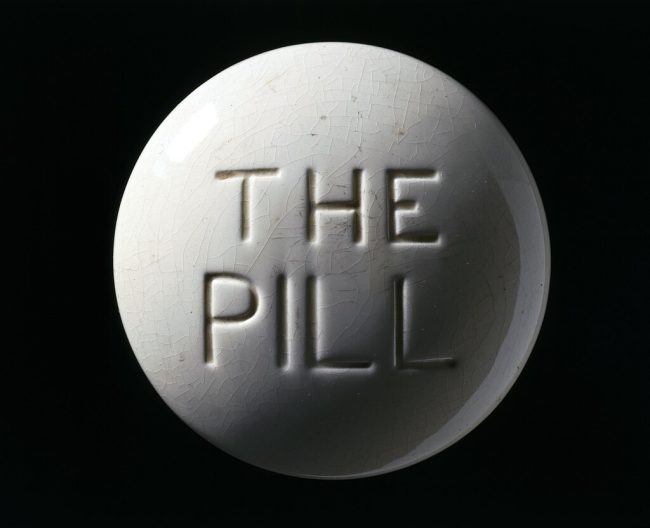
Very reassuring… Unless you were actually familiar with the 30-year history of stilbesterol, also known as diethylstilbestrol (DES). Sir Charles Dodds discovered DES in 1938, and rushed it to market in the public domain. The English doctor bypassed the patent process hoping it would discourage the Nazis from further tests on women prisoners in their development of ethinyl estradiol (Barbara Seaman, The Greatest Experiment Ever Performed on Women; page 36).

From DES to the Pill

Despite his noble intentions, Dodds soon regretted the decision. Without a patent, drug companies around the globe were free to produce DES. He never expected that synthetic hormones would be given to healthy women, and was horrified that doctors were prescribing it as hormone therapy for natural menopause.

You Can’t Put the Hormones Back in the Tube

Even worse, Dodds soon learned that an American doctor named Karnaky had begun blazing a new trail – doling out DES to ‘prevent miscarriages’. Alarmed by the news, Dodds sent him a study he had personally performed, which showed that the drug actually caused miscarriages in animal subjects. It didn’t deter Dr. Karnaky or the many doctors who followed his lead. (Robert Meyers, D.E.S. The Bitter Pill; pp. 56-73)

Dodds began to feel like he was fighting a monster that he himself had unleashed. He was most concerned about how his discovery could affect certain cancers. He sent DES samples to the newly formed National Cancer Institute in the United States, and urged them to conduct tests and notify doctors.

Dodds wasn’t alone. The Council on Pharmacy and Chemistry warned,

…because the product is so potent and because the possibility of harm must be recognized, the Council is of the opinion that it should not be recognized for general use at the present time…and that its use by the general medical profession should not be undertaken until further studies have led to a better understanding of the functions of the drug. (Barbara Seaman, The Greatest Experiment Ever Performed on Women; page 44)

The concerns sent murmurs through the medical community, and many doctors began experimenting with lower doses of DES. By 1940, the editors of the Journal of the American Medical Association (JAMA) felt compelled to add theirs to the litany of warnings:

“It would be unwise to consider that there is safety in using small doses of estrogens, since it is quite possible that the same harm may be obtained through the use of small doses of estrogen if they are maintained over a long period.” (JAMA, April 20, 1940)

In 1959, the FDA determined the link to side effects (including male breast growth) was sufficient to ban poultry farmers from using DES as a growth hormone. However, the widespread use of DES in humans continued. In fact, it had become standard medical practice by the time Dr. Ryan assured Congress that The Pill was just as safe as DES – showing how medical dogma often trumps scientific evidence.

The greater irony of Dr. Ryan’s statement materialized one year after his testimony, when researchers first linked a rare vaginal cancer to the daughters of women who received DES during pregnancy. The FDA reacted strongly, listing pregnancy as a contraindication for DES use.

Consumer Groups Take the Lead

You would expect this to be the beginning of the end for DES. Shockingly, the medical community responded with indifference, continuing to prescribe DES for a variety of ‘off label’ uses, including as a morning-after pill, to catalyze the onset of puberty, and the old faithful, hormone replacement therapy. (Robert Meyers, D.E.S. The Bitter Pill; page 185)

It took nearly a decade of passionate effort from consumer movements like DES Action to convince doctors to (mostly) abandon DES. Dozens of lawsuits were filed; some were settled; and some are still pending. There is evidence that the harmful consequences could now be affecting a third generation of DES victims.

The current Director of Epidemiology and Biostatistics at the National Cancer Institute, Robert Hoover, M.D. oversees the DES Follow-Up Study to track the ongoing repercussions. With identifiable problems now affecting the grandchildren of women who took DES, the disaster hasn’t yet moved into the past tense of our nation’s history. Despite that, Dr. Hoover says:

There’s essentially a whole generation of medical students who don’t know the story. The story has such powerful lessons that I think that’s a tragedy…For about 20 years now, when I standardly ask in my general epidemiology lecture… how many of you have heard of DES, nobody raises their hand.

Sidney Wolfe, M.D., who headed up Ralph Nader’s Health Research Group offered this perspective,

DES is an excellent example of how drug companies behave, how they take advantage of the ways doctors act, and how they make millions of dollars by ignoring evidence of a drug’s harmfulness, by failing to get evidence that it is effective, and then by marketing a product that plays on fears and misconception. (Robert Meyers, D.E.S. The Bitter Pill; page 208).

In just 20 years, the American Medical Association moved from “It would be unwise to consider that there is safety in using small doses of estrogens…” to embracing the release of insufficiently tested hormones as birth control for millions of women. I’m leery of trusting a dogma founded on such an erratically moving target. In their defense, the dogma really hasn’t moved much in the decades since.

Today, the medical community assures us The Pill is the most researched drug ever. Sorry doc, that reassurance just doesn’t ring true. At this point, it feels more like a phrase learned by rote than a statement based on any kind of empirical evidence. Unfortunately, it’s not the only hollow mantra that should raise a red flag when it comes to hormonal contraceptives. I will discuss how the medical community responds to scientific studies in my next post, The Spin Doctor’s Prescription for Birth Control.

[atkp_product id=’48881′ template=’bestseller’][/atkp_product]

We Need Your Help

More people than ever are reading Hormones Matter, a testament to the need for independent voices in health and medicine. We are not funded and accept limited advertising. Unlike many health sites, we don’t force you to purchase a subscription. We believe health information should be open to all. If you read Hormones Matter, like it, please help support it. Contribute now.

Yes, I would like to support Hormones Matter.

This article was published originally on Hormones Matter on August 31, 2016. 


Stroke, Birth Control and the Nelson Pill Hearings: What They Knew Then

15.3K views

I had a stroke from hormonal birth control at the age of 28. Prior to my stroke, I didn’t think much about the side effects of hormonal birth control, or any other medication for that matter. Like many of us, I took for granted that if a doctor prescribed the medication, it must be safe. Especially one as widely used and as cavalierly prescribed as birth control pills. I was so wrong. Nearly dead wrong.

Since that time, I have become increasingly aware of how little we know about the side effects of many medications and how many are under-researched before being “approved.” We can see that in the number of medications that get taken off the market. The pressure of the pharmaceutical companies to make a return on their research investment and their exorbitant advertising budget is putting human safety, and especially the safety of women, at great risk. I wrote my master’s thesis on risk communication, how women are informed of the risks of hormonal birth control, and what they know about blood clots. I’ll write more on that later but suffice it to say, the results were not promising. It appears that we are intentionally misled where drug risks are concerned. “Well, of course,” the cynic in me says. “After all, who is writing the risk communication in the first place?” The very people that need to minimize risks in order to maximize profits.

As mentioned in previous articles, I’ve recently begun a research project involving the Nelson Pill Hearings. Senator Gaylord Nelson scheduled these hearings back in 1970 after a number of reports, books (especially Barbara Seaman’s “The Doctors’ Case Against the Pill”), and studies brought up concerns about the safety of the birth control pill. Feminist groups and women’s health advocates attended the hearings demanding that women who had taken the pill be allowed to testify. To which Nelson responded, “I stated in advance of the hearings that every viewpoint would be heard on this issue… There will be women who testify… I will give you all the time—if you ladies will come to see me—would you girls have a little caucus and decide which one will talk one at a time, we can then decide what ladies will testify. Your viewpoints will be heard, don’t worry about that.” Then they were kicked out. And much of the testimony was never made public.

After a great deal of work from Karen Langhart, with the help of Senator Bernie Sanders’ office, and perhaps an invocation of the Freedom of Information Act, we were able to get a near complete copy of the Nelson Pill Hearing transcripts. (I say “near complete” because I have already found at least one instance of a page missing. But more on that later.)

A Massive Experiment

As someone who has survived a stroke directly related to the birth control pill, you can imagine how strange and challenging it is to read these hearings. Here I am pouring over 1500 pages of testimony from countless doctors who are describing problems, side effects, and dangers of hormonal birth control and as far as I can tell right now, they all seem to agree on two things. One, that putting women on birth control pills was (and I would say, still is) a MASSIVE experiment with millions of healthy women. Two, that there simply wasn’t enough research to understand even the short-term effects, let alone the long-term effects. Though these hearings were 46 years ago, I believe we have yet to discover all the ramifications of this experiment.

They Knew: Pill Induced Stroke

From a personal standpoint, one of the most frustrating discoveries I have made so far was found in the testimony of Dr. David B. Clark, a professor of neurology. Imagine my shock as I read him describing the exact symptoms of my stroke. This was particularly frustrating as my doctors indicated that the reason I was misdiagnosed and left untreated for so long was because my stroke was so highly unusual. And now I’m reading testimony from 1970 that says they knew strokes in young women on hormonal birth control occurred this way. Over forty years ago, these risks (and many more) were identified and, for the most part, ignored. Here is some of his testimony:

“It has been thought for a great many years that spontaneous cerebral vascular accidents are quite rare in healthy, nonpregnant women, especially the younger ones.”- Nelson Pill Hearings, page 6137

So seeing an increase in these should tell us something…

“Further, it was rapidly found, which was embarrassing, I think to all of us, that we did not have a really accurate idea of the incidence of spontaneous cerebral vascular accidents, spontaneous strokes, in young, healthy, nonpregnant women. We did have some comparable information comparing incidence in women with that in men.” -Nelson Pill Hearings, pages 6137-6138

This really isn’t surprising given that women were often excluded from medical research and are still vastly underrepresented in clinical trials.

“In looking at this group of strokes, it seems their time of onset is often prolonged, for days, and even weeks. In a considerable portion of the cases, the onset was marked by premonitory migrainous headache. The patient may have attacks of double vision, they may have transitory weakness in various parts of the body, which recovers for a time: they often report giddiness and fainting attacks, and this finally develops into a full-blown stroke.”- Nelson Pill Hearings, page 6140

These symptoms are almost identical to mine.

He goes on to say that these types of strokes do not appear to be related to arteriosclerosis (hardening or thickening of the arteries) or hypertension (high blood pressure), two normal precursors for stroke. I also had neither arteriosclerosis, nor hypertension.

“So I think it is possible that such premonitory symptoms for days or weeks before the full-blown stroke develops may be a reason for assuming a seeming association with the pill.”- Nelson Pill Hearings, page 6140

Expletives and Indignation

Needless to say, when I got to this testimony, I let fly several loud expletives that served no purpose but to release a decade of frustration and scare my dog. This was 1970! My stroke was in 2006. Where did this information get lost? Why didn’t my doctors know to check for stroke when I presented with an ongoing headache and transitory weakness? Maybe my OB-Gyn wouldn’t have thought I had a migraine and a pulled muscle. Maybe the doctor at the local health clinic wouldn’t have suggested an appointment with a neurologist a week later. Maybe I wouldn’t have been sent home from the emergency room twice. Maybe I wouldn’t have had to suffer the fear and pain of massive seizures. Maybe I wouldn’t have had to relearn how to tie my shoes and relearn how to walk and relearn how to do math.

And as if reading a near-textbook list of my stroke symptoms that no fewer than four doctors misdiagnosed wasn’t maddening enough—the very next doctor to testify at these hearings, Dr. J. Edwin Wood, said the question of whether strokes are caused by hormonal birth control is debatable. He goes on to say that there is “a definite hazard to life while using these drugs because of the side effect of causing blood to clot in the veins” (Nelson Pill Hearings, 6156). Now, I’m definitely not a doctor, but I do know that the majority of strokes are caused by blood clots. More cursing ensued.

So where does this leave us? For my part, I’m going to keep digging. And I’m going to keep telling you what I find.

We Need Your Help

More people than ever are reading Hormones Matter, a testament to the need for independent voices in health and medicine. We are not funded and accept limited advertising. Unlike many health sites, we don’t force you to purchase a subscription. We believe health information should be open to all. If you read Hormones Matter, like it, please help support it. Contribute now.

Yes, I would like to support Hormones Matter. 

Image credit: See page for author, CC BY 4.0, via Wikimedia Commons

This article was published originally on April 18, 2016. 


Iatrogenic Illness and Pharmaceutical Side Effects

9K views

Are you familiar with the phrase “iatrogenic illness”? An affirmative answer is more likely among the readers of this website than the public at large, but I would argue that even we (those of us who frequent this website) don’t give it the attention it deserves. In fact, if we changed the way we looked at iatrogenic illness, it could reframe the way we look at the entirety of medicine.

The Effect of Side Effects

Iatrogenic means an ailment that is actually caused by a medical examination or treatment. Perhaps the reason it receives less attention than it should lies in the fact that the classification would usually require an admission of guilt from the person most likely to identify it. Most doctors aren’t inclined to draw attention to the fact that something they did caused a new problem.

Consequently, we tend to associate iatrogenic illnesses with things like infection after a surgery, where it happens despite the medical team’s best efforts to prevent it. And, the only time we weigh the iatrogenic effect of pharmaceuticals being administered comes in extreme cases, like chemotherapy, where the patient and their family often weigh the quality of life versus the quantity.

However, we really should start considering the quantity of effect versus quality much sooner in life.

The Primary Effect

Think about the early development of a new drug and then consider this old phrase:

“There are no side effects, only effects.”

When a new drug is in development, the chemical engineers have a sense of what the desired effect will be, largely because most new drugs are variations on existing medications. But, this focus on a primary effect can lead us to discount the other effects on the body. It’s as if simply labeling an effect as a ‘side effect’ trivializes it in our minds.

What we must keep in mind is that by introducing these compounds into our bodies, we open ourselves up to the potential to experience any and all of the various effects. The doctor may give it to us to treat a specific ailment, but the reality is we’re susceptible to the entire array of effects.

Granted, these other ‘side’ effects may not happen as frequently as the ‘primary’ effect, but are drug makers still failing to give them proper attention as they weigh the benefit-to-risk simply because of how they may negatively impact marketing?

Creating a Drug Market

Let’s look at a couple of examples to see how marketing ultimately determines which is the ‘primary’ effect of a drug. We will begin with a brand so familiar it has almost become a generic term for analgesics.

In the late 1800s, an inexperienced pharmacist mistakenly sent acetanilide instead of naphthalene to a couple of French doctors who were experimenting with treatments for intestinal parasites. By chance, the doctors soon discovered the new compound reduced fever in some patients and later realized it offered some level of pain relief.

While unexpected, the ‘side’ effects were marketable. That’s why nearly 150 years later acetanilide, which metabolizes in the body to become acetaminophen, is still marketed under the brand name Tylenol, and has become synonymous with its ‘primary’ effects of pain relief and fever reduction, rather than its effect on parasite motility.

What about the other effects – the less marketable ones? Liver damage would probably fall into that category, And, despite the long history, researchers didn’t really start looking into the impact of acetaminophen toxicity on livers in both adults and children until this millennium. It makes one wonder how many people suffered severe liver damage before it caught researchers’ attention.

To some extent, the failure to notice the negative effects can be chalked up to human nature. As we look for the hook to hang our hat, we aren’t likely to notice the corner of the dresser until our little toe ultimately discovers it at a most inopportune time.

One Effect Stands Out

Drug makers aren’t completely oblivious to ‘side’ effects as they develop a new drug. In fact, they become acutely aware of secondary effects when they provide the potential for more profits.

It is a well-known story that the makers of one new drug being developed for high blood pressure and angina discovered that the drug also effectively induced erections in many of their male patients. Once they stripped away the labels of primary effect versus side effects, it probably didn’t take Pfizer’s MBAs long to recognize Viagra’s potential.

Rather than join the crowded, competitive field of blood pressure drugs, they had the opportunity to essentially create a new market catering to those suffering from impotence.

Of course, erectile dysfunction sounds much more like something that needs to be treated so they put their ad budget toward branding the ‘ailment’ as much as the new drug and it paid off in spades. Viagra managed to stay in the range of $2 billion in each year of its patent protection.

Don’t Take Your Eye Off the Ball

The drug and medical industries, which are so clearly on top of the ball when it comes to drug outcomes and profitability, have an abysmal record when it comes to drug outcomes and actual patient experience. It is precisely this focus on profits that clouds their vision, and turns side effects into new symptoms.

This is problematic with any drug, but none more so than with birth control because the patient is typically young and healthy. Plus, I can think of no other drug that is designed to be given to a healthy patient with the intent of stopping a natural process.

Given the disease-free state of so many patients who begin birth control, you would think this is one drug where it would be easy to identify an iatrogenic effect when side effects begin to arise. However, this is rarely the case, and the story of a young woman who recently contacted me provides a perfect example.

A Pattern of Side Effects

After seven years of taking birth control pills, Alexa changed over to the Mirena IUD. She began to notice facial hair growing and mentioned it to her doctor. He ran some tests and discovered her DHEA-S levels were high. A subsequent ultrasound revealed the classic string of pearls on her ovarian tissue, and she was diagnosed with PCOS.

When she questioned her birth control, the doctor insisted that she NEEDED to be on birth control or she would likely end up with endometrial cancer. She felt almost like he was using cancer to threaten her into continuing with birth control. He began to discuss other medicines she would also need to treat her condition.

But, she knew that her ovaries had been fine before starting on Mirena, and just couldn’t accept what the doctor was telling her. She searched online and found the patient information pamphlet for her IUD and learned that the documented side effects include “cysts on ovaries” and “facial hair.”

Alexa opted to take supplements to help balance her hormones and began charting her cycle after removing the IUD. Her cycle normalized quickly, her mood stabilized, and her energy rebounded.

It was the first time she began to realize how much the synthetic hormones had dragged her down over the years. She began to take inventory of all the “symptoms” that she encountered after starting birth control that might have actually been “side effects.”

Not only had the doctor recently missed that the two symptoms (facial hair, ovarian cysts) he used to diagnose PCOS were clearly listed as side effects of the contraceptive device he inserted, but she began to question previous interactions.

The IUD contributed to multiple vaginal infections, which in turn, led to several antibiotic prescriptions, but her doctor never acknowledged that the IUD could have played a role, even though these types of infections had never been a problem prior to the IUD.

She could see a pattern developing.

Then, she remembered when she first started taking The Pill at age 15. She experienced her first bouts of depression, which triggered new scripts for Paxil and then Lexapro.

Depression and anxiety represent some of the most common side effects of hormonal birth control. Yet, they are treated as mere symptoms of a new, unrelated disease by a vast majority of doctors.

A Cascade of Symptoms

I wonder how many young women have lived a similar experience? They unwittingly trade in their health for a cascade of symptoms.

When you hear a story like Alexa’s, you begin to understand why 131 million people in the US take at least one prescription drug, with the average being 4 prescriptions. We lead the world, spending $1,376 annually per capita on these drugs, nearly 50% more than our nearest competitor, Germany.

I don’t mean to insinuate that these new symptoms aren’t in fact new diseases. The subsequent effects of birth control often manifest as long-term, even chronic, new diseases. It isn’t uncommon for synthetic hormones to trigger an autoimmune disease, nor is it uncommon for depression to linger long after a woman stops taking birth control.

These long-term consequences are precisely why the next time your doctor casually hands you a prescription and you feel compelled to bite your lip and not ask the questions bouncing around in your head, ponder the phrase “iatrogenic illness” and don’t be afraid to start questioning the doctor.

After all, you will be the one living (or dying) with the consequences.

[atkp_product id=’48881′ template=’bestseller’][/atkp_product]

We Need Your Help

More people than ever are reading Hormones Matter, a testament to the need for independent voices in health and medicine. We are not funded and accept limited advertising. Unlike many health sites, we don’t force you to purchase a subscription. We believe health information should be open to all. If you read Hormones Matter, like it, please help support it. Contribute now.

Yes, I would like to support Hormones Matter.

Image Credit: Photo by krakenimages on Unsplash.

This article was originally published on September 26, 2022.

1 2 3 10